
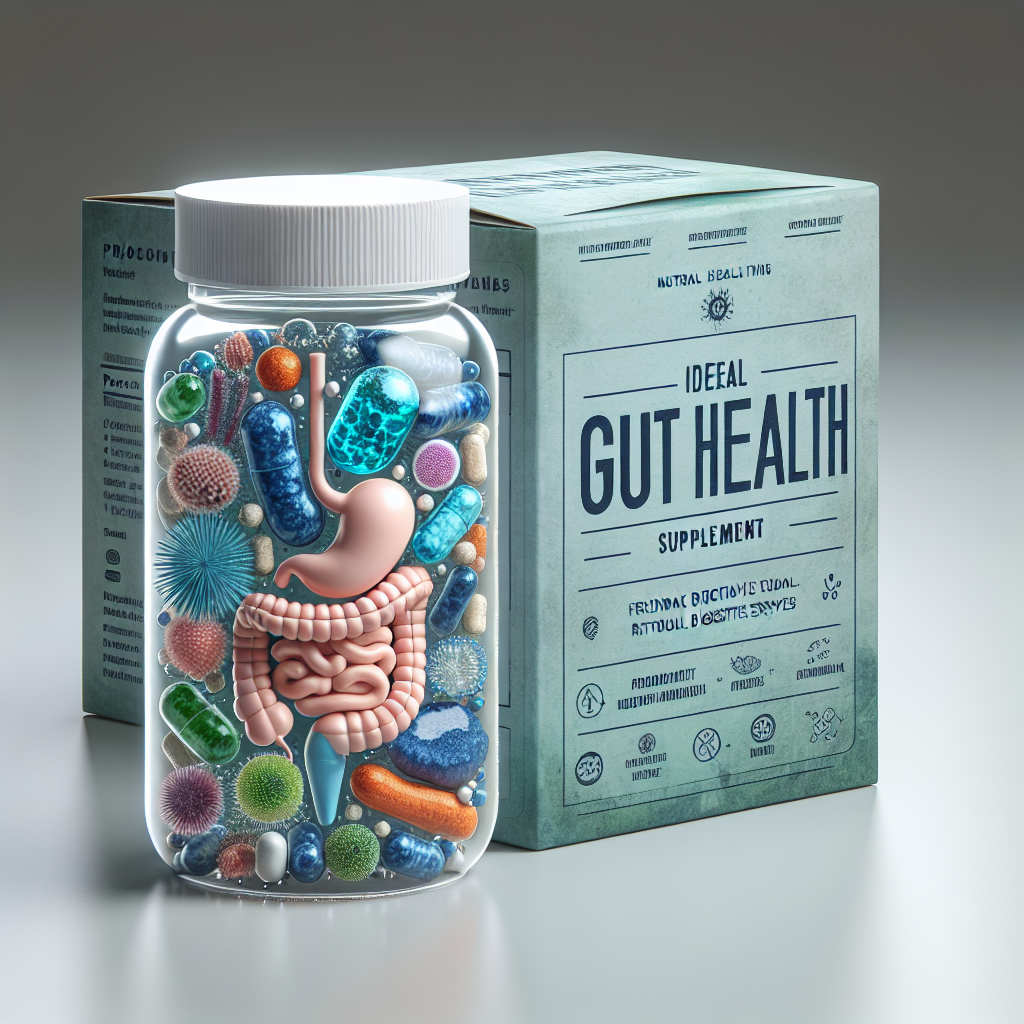
## Understanding Gut Health: The Key to Overall Well-being
Gut health is more than just a trendy topic; it’s an essential element of overall health and wellness. A healthy gut helps with digestion, enhances nutrient absorption, and even affects mood and immune function. Therefore, investing in the **best gut health supplement** can have a profound impact on your body and mind.
### Why Gut Health Matters
Your gut is home to trillions of microorganisms, including bacteria, fungi, and viruses, collectively known as the gut microbiome. A balanced microbiome plays crucial roles, including:
– **Digestion**: Breaks down food and absorbs nutrients.
– **Immune Function**: Supports the immune system and helps protect against harmful bacteria.
– **Inflammation Control**: Aids in reducing inflammation in the body.
– **Mental Health**: Research suggests that gut health is linked to mental well-being through the gut-brain axis.
### Signs of Poor Gut Health
Recognizing the signs of poor gut health can help you take action sooner. Common indicators include:
– Bloating and gas
– Diarrhea or constipation
– Food intolerances
– Fatigue or low energy levels
– Skin issues like eczema or acne
### Finding the Best Gut Health Supplement
With numerous supplements claiming to improve gut health, how do you identify the **best gut health supplement** for your needs? Here are key ingredients to consider:
#### 1. Probiotics
Probiotics are live bacteria that can provide health benefits when consumed in adequate amounts. They help restore gut flora balance and improve digestive health. Look for supplements containing:
– **Lactobacillus**: Helps with lactose digestion and is beneficial for irritable bowel syndrome (IBS).
– **Bifidobacterium**: Aids in digestion and overall gut health.
#### 2. Prebiotics
Prebiotics are non-digestible fibers that feed your good gut bacteria, promoting their growth. Key sources include:
– **Inulin**: Found in foods like garlic, onions, and bananas.
– **Oligofructose**: Often used in supplements to boost probiotic effectiveness.
#### 3. Digestive Enzymes
These enzymes break down food into nutrients your body can absorb. If you struggle with digestion or have food intolerances, consider supplements containing:
– **Amylase**: Breaks down carbohydrates.
– **Protease**: Aids in protein digestion.
– **Lipase**: Improves fat digestion.
#### 4. Fiber
Dietary fiber plays a vital role in digestion and gut health. It helps maintain regular bowel movements and can prevent constipation. Consider supplements containing:
– **Psyllium Husk**: A soluble fiber that can aid in digestion.
– **Acacia Fiber**: A gentle fiber that can help regulate bowel function.
### Choosing the Right Supplement
When selecting a gut health supplement, keep the following in mind:
– **Quality**: Look for products tested for purity and potency. Third-party testing can provide an extra layer of assurance.
– **CFU Count**: For probiotics, check the colony-forming units (CFUs). A higher CFU count often indicates a stronger product.
– **Strain Diversity**: A diversified range of strains can be more effective than a single strain.
– **Personal Needs**: Determine your specific gut health goals and consult with a healthcare professional if needed.
### Lifestyle Factors for Gut Health
In addition to the **best gut health supplement**, adopting healthy lifestyle habits can further improve your gut health. Here’s how:
#### 1. Eat a Diverse Diet
A varied diet increases the range of nutrients and types of bacteria in your gut. Focus on whole foods, including:
– Fruits and vegetables
– Whole grains
– Lean proteins
– Healthy fats
#### 2. Stay Hydrated
Drinking plenty of water assists in digestion and helps maintain a healthy lining in your intestines.
#### 3. Manage Stress
High-stress levels can negatively impact gut health. Consider stress-management techniques such as:
– Mindfulness meditation
– Yoga
– Breathing exercises
#### 4. Get Regular Exercise
Physical activity stimulates digestion and can positively impact the diversity of your gut microbiome. Aim for at least 150 minutes of moderate exercise weekly.
#### 5. Prioritize Sleep
Quality sleep is vital for overall health, including gut health. Aim for 7-9 hours of sleep per night to give your body the time it needs to repair and rejuvenate.
### Troubleshooting Common Gut Issues
If you’re experiencing ongoing gut issues, here are steps to take:
#### 1. Identify Food Intolerances
Keeping a food diary can help you pinpoint any problematic foods. Common culprits include dairy, gluten, and certain high-fiber foods.
#### 2. Gradually Introduce Supplements
When starting a new **best gut health supplement**, introduce it gradually. This allows your body to adjust and helps you monitor any changes.
#### 3. Consult a Professional
If you have Persistent gut issues despite lifestyle changes, consult a healthcare provider or a registered dietitian for personalized advice.
### Conclusion
Investing in your gut health is an essential step towards achieving overall wellness. With the right knowledge and tools, including the **best gut health supplement**, you can enhance your digestion, nutrient absorption, and overall quality of life. Remember that achieving optimal gut health is a journey, so be patient and consistent in your efforts.
By integrating strong dietary habits, lifestyle changes, and high-quality supplements into your routine, you can pave the way to a healthier gut and, ultimately, a healthier you.