
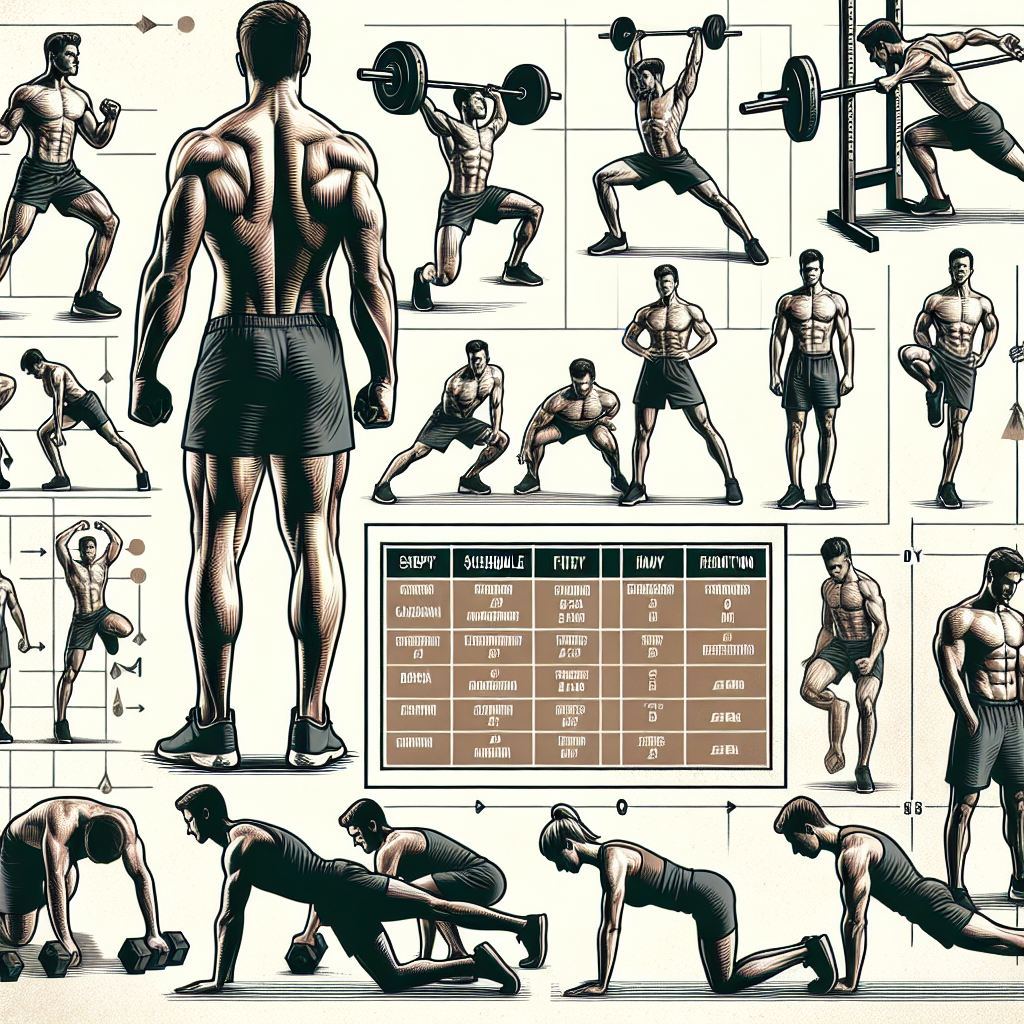
Creating your own strength training workout plans can be a game-changer on your fitness journey. Not only does it give you ownership over your training, but it also ensures that the workouts are tailored to your specific goals, fitness level, and preferences. In this article, we will break down the essential components of effective strength training workout plans and guide you through how to create them.
Benefits of Crafting Your Own Workout Plans
Before we dive into the details, let’s discuss some benefits you can expect from writing your own strength training workout plans:
- Customization: Tailor workouts to your individual goals, whether you want to build muscle, lose fat, or improve overall strength.
- Flexibility: Change your plan based on your schedule, energy levels, and progress.
- Knowledge Enhancement: Developing your workout plans increases your understanding of strength training principles and exercises.
- Motivation: A personalized plan can keep you invested and motivated as you set and achieve specific goals.
Step-by-Step Guide to Creating Strength Training Workout Plans
1. Define Your Goals
The first step in creating effective strength training workout plans is to define your fitness goals. Your goals may include:
- Building Muscle: If hypertrophy (muscle growth) is your primary aim, you’ll focus on moderate to heavy weights with higher reps.
- Increasing Strength: If you’re looking to lift heavier, your plans should prioritize strength with lower rep ranges and heavier weights.
- Fat Loss: Incorporate high-intensity exercises and circuit-style training to maximize calorie burn.
- Improving Endurance: Aim for higher repetitions with lighter weights to enhance muscular endurance.
2. Assess Your Current Fitness Level
Before touching a pen to paper, it’s important to have a clear understanding of your current fitness level. Consider the following:
- Experience: Are you a beginner, intermediate, or advanced lifter?
- Current Strength: What are your existing personal records (PRs) in key lifts?
- Mobility and Limitations: Are there any physical limitations or injuries to keep in mind?
3. Structure Your Workout Routine
When developing your strength training workout plans, it’s essential to structure them effectively. Here’s how:
Workout Frequency
- Beginners: 2-3 times a week, focusing on full-body workouts.
- Intermediate: 3-4 times a week, incorporating splits (e.g., upper/lower body).
- Advanced: 4-6 times a week, utilizing more complex splits and periodization.
Training Split
Option to choose:
- Full Body: Training all major muscle groups in each session, ideal for beginners.
- Upper/Lower Split: Alternating between upper body and lower body days.
- Push/Pull/Legs: Dividing workouts into push exercises (chest, shoulders, triceps), pull exercises (back, biceps), and legs.
4. Select Your Exercises
Selecting the right exercises is crucial. Focus on compound movements, which recruit multiple muscle groups and promote strength gains, while also including isolation movements for specific muscle targeting. Examples include:
Compound Exercises
- Squats: Great for leg strength and overall development.
- Deadlifts: Target the posterior chain, including the back, glutes, and hamstrings.
- Bench Press: Excellent for chest, shoulder, and tricep strength.
- Pull-Ups/Rows: Essential for upper back and bicep strength.
Isolation Exercises
- Bicep Curls: Focus on bicep hypertrophy.
- Tricep Extensions: Target the triceps.
- Lateral Raises: Enhance shoulder muscle definition.
5. Determine Sets and Repetitions
The number of sets and repetitions in your strength training workout plans will greatly affect your results. Here are general guidelines based on your goals:
- Muscle Building (Hypertrophy): 3-4 sets of 8-12 reps per exercise.
- Strength: 3-5 sets of 3-6 reps with heavier weights.
- Endurance: 2-3 sets of 12-20 reps with lighter weights.
6. Plan Your Warm-Up and Cool Down
Never skip the warm-up and cool-down, as they play critical roles in preventing injury and enhancing recovery.
Warm-Up Suggestions:
- 5-10 minutes of light cardio (jogging, cycling).
- Dynamic stretching focusing on major muscle groups you’ll be working on.
Cool Down Suggestions:
- Static stretches for major muscle groups.
- Foam rolling to help with recovery.
7. Track Your Progress
One of the key components of strength training workout plans is tracking your progress. Maintain a fitness journal or utilize an app to record:
- The weights lifted
- Sets and reps completed
- Notes on how you felt during workouts
This will enable you to make adjustments to your plans as needed and keep you motivated as you see improvements over time.
8. Stay Flexible and Adapt
Your strength training workout plans should not be set in stone. Life happens, and sometimes you’ll need to make adjustments. Here’s how to stay flexible:
- Modify Your Workouts: If you’re feeling fatigued, opt for a lighter session.
- Switch Exercises: Keep your workouts fresh by changing exercises every few weeks to avoid plateaus.
- Listen to Your Body: If you’re experiencing pain or extreme fatigue, give yourself permission to rest or focus on recovery.
Conclusion: Control of Your Own Workouts
Creating your own strength training workout plans can be an empowering experience that leads to significant gains in strength, endurance, and overall health. Remember to consider your goals, assess your fitness level, structure your workouts effectively, choose appropriate exercises, and stay flexible.
Now, equipped with this knowledge, you have the tools to craft plans that fit your lifestyle and aspirations. Committing to these plans not only helps you grow stronger but also fosters a deep appreciation of your body and its capabilities.
Incorporate these tips into your strength training workout plans and watch as you progress toward a healthier, stronger you!